Wine Bottle: A Thoughtful Embroidery Design Review
First Impressions: Charm Without Clutter
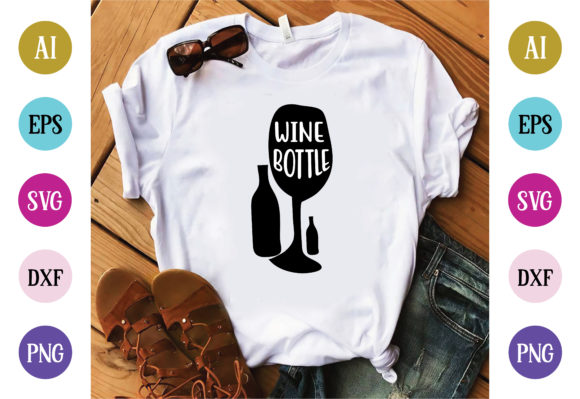
Opening the Wine Bottle file, I didn’t see a flashy gimmick—I saw something quietly confident. It’s not overly detailed, but it’s not generic either. The silhouette is clean and balanced, with just enough contour to suggest glass, cork, and gentle curve—no fussy gradients or distracting embellishments. As a machine embroidery design, it leans into simplicity without sacrificing personality. That’s rare. It feels like a design made for real people, not just software previews. Whether you’re stitching it on a linen tea towel for a bridal shower or embroidering it onto a baby onesie for a wine-loving aunt, Wine Bottle lands with warmth—not irony.
A Real Project Test: Custom Embroidered Tote Bags for a Local Vineyard Pop-Up
Last month, I used Wine Bottle to create limited-run embroidered tote bags for a small vineyard’s weekend tasting event. We chose natural canvas totes—medium weight, slightly textured—and stitched the design centered on the front panel, about 3.5 inches tall. The result? Crisp, legible, and unmistakably handmade. Customers didn’t pause to decode it—they smiled, pointed, and asked where to buy more. That’s the quiet power of this design: it communicates instantly, even at a glance. It doesn’t need context, yet it invites connection. For craft businesses and Etsy sellers, that kind of intuitive recognition is gold.
Where Wine Bottle Shines (and Where It Needs Care)
Wine Bottle works beautifully across a range of custom apparel and home goods—but not equally everywhere. Here’s what I’ve learned from stitching it on everything from cotton jersey to terry cloth:
- Sweatshirt embroidery: Excellent. The bold shape holds up well against fleece texture and slight stretch—just use medium-weight cutaway stabilizer underneath.
- Tote bag design: Ideal. Canvas and duck cloth give it structure and presence; the design reads clearly even from three feet away.
- Baby embroidery: Gentle and age-appropriate. On organic cotton onesies or burp cloths, it reads as sweet—not kitschy—especially in soft thread colors like heather gray or blush.
- Embroidered patch: Works well as a standalone motif. Clean edges mean clean cutting after stitching, and minimal fill stitch keeps it lightweight and flexible.
- Caps and curved surfaces: Proceed with caution. The base width matters—if your hoop can’t comfortably accommodate the full outline without distortion, consider scaling down slightly or choosing a flatter placement (e.g., side-strap instead of front crown).
- Thin or stretchy fabric: Requires proper stabilizer support. On lightweight knits, skip tear-away—it’ll pucker. Go for light cutaway + topping if needed.
- Dark fabric: Choose high-contrast thread (cream, ecru, or bright white) and test stitch density first. Too many overlapping satin stitches can mute definition on black or navy.
Design Integrity Meets Commercial Practicality
As a digital embroidery file, Wine Bottle avoids common pitfalls: no tiny interior details that vanish when stitched, no fragile stems or hair-thin lines that break under tension, and no dense fill areas that cause thread jams or fabric distortion. That means fewer restarts, less wasted stabilizer, and faster turnaround for small shop products. For Etsy sellers listing personalized gifts or boutique branding assets, reliability like this builds trust—not just with machines, but with customers who expect consistency across orders.
It also supports brand cohesion. Whether you're selling holiday embroidery kits, nursery decor, or wedding favor totes, Wine Bottle adapts without looking out of place. It doesn’t scream “trend”—it whispers “thoughtful.” And in handmade markets, that subtlety often converts better than loud novelty.
Practical Designer Notes Before You Stitch
This isn’t just about loading a file and hitting go. Here’s how I treat every embroidery file before committing to a finished product:
- Test on scrap fabric matching your final material—same weight, same stretch, same finish.
- Check thread color contrast early. Run a quick black-and-white mockup to assess readability on both light and dark backgrounds.
- Review stitch density visually. If your software shows heavy fill zones, consider simplifying or adjusting underlay—especially for delicate fabrics.
- Confirm hoop size compatibility. If you’re working with smaller hoops (4x4 or 5x7), verify that Wine Bottle fits comfortably with at least ¼ inch margin all around.
- Inspect corners and curves at 200% zoom. Look for any unintended overlaps or gaps that might translate to skipped stitches or weak outlines.
- Use appropriate stabilizer: cutaway for knits and stretchy items, tear-away for stable wovens, and fusible + topping for nap-heavy fabrics like towels.
- Double-check licensing terms before selling finished items or reselling the digital embroidery file—especially if you’re a craft business or digital product seller.
Final Thought: More Than a Graphic—A Crafted Detail
Wine Bottle isn’t just another T-Shirt Designs graphic dropped into a catalog. It’s a considered shape—one that respects the limits and possibilities of real-world embroidery. It performs well across sweatshirt embroidery, baby embroidery, holiday embroidery, and commercial embroidery projects because it was built for clarity, not complexity. For designers, makers, and small shop owners, that kind of intentionality saves time, reduces rework, and elevates how customers experience your handmade product. Whether it’s stitched on a kitchen towel for a housewarming gift or digitized into an embroidered patch for a craft fair booth, Wine Bottle adds quiet confidence—not clutter—to your design assets.